Last updated by Ardmore Plumbers
When heavy rain hits Villa Park, parts of the village sewer system fill faster than they drain, and the overflow finds the lowest opening it can: your basement floor drain. Ardmore Plumbers sends licensed plumbers who install overhead sewers, backwater valves and the drain changes that keep that water out. Call (858) 363-8298 any time, including the middle of a storm.
This page is about prevention. If the floor drain backs up on dry days too, the cause is more likely a clog for drain cleaning or a broken lateral for sewer line repair, and it is worth fixing that first.
Why basements back up in Villa Park: combined sewers, surcharged mains and heavy storms
In a combined sewer, household waste and street runoff share one pipe. Parts of Villa Park still work that way, and the village has been separating them block by block, with projects such as the Washington Street area and Biermann Avenue sewer separations. Until a block is separated, a big storm fills the same main that carries your toilet and washer water.
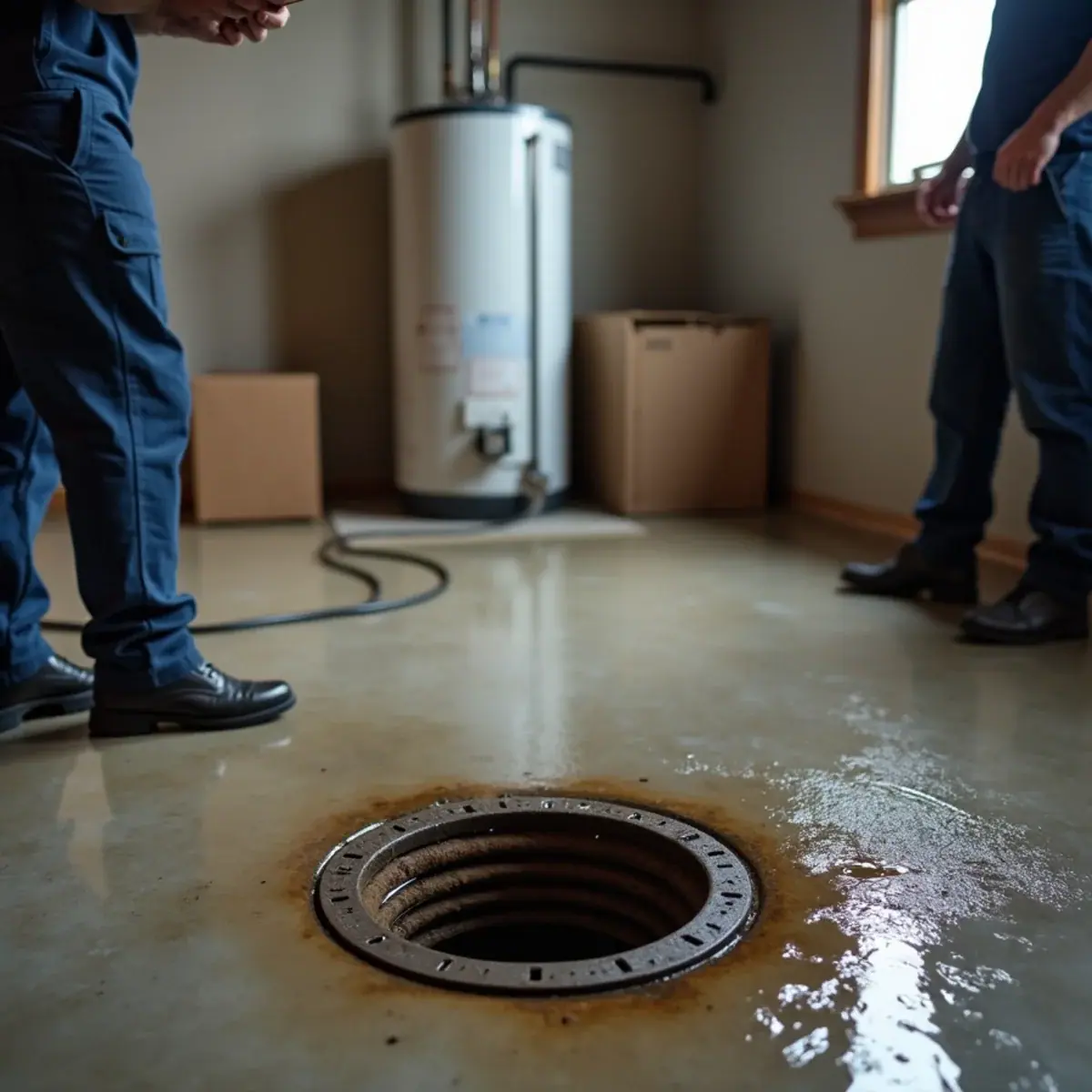
When the main fills past capacity it surcharges: the water level in the main rises above your building sewer. The basement floor drain is usually the lowest opening on that line, so it is where the water comes up. Separated blocks back up too when footing drains and downspouts overload the sanitary sewer.
Long soaking rains add a second load: groundwater seeps into old clay laterals and mains through cracked joints (infiltration), filling the sanitary sewer even where storm pipes are separate.
Timing is a clue, not a verdict. A backup that starts in a downpour points toward a surcharged main, but the same pattern fits a root-choked lateral, footing tile tied into the sewer, or a sump emptying into the floor drain. Backups on dry days point to your own line. Water seeping in at the walls while the floor drain stays dry is groundwater, a sump pump question.
Backup water is sewage
Stay out of standing water near outlets, the furnace or the water heater. While the floor drain is backing up, stop flushing and running the washer, because everything you drain adds to the water on the floor.
Before choosing a fix: camera inspection and who owns the lateral
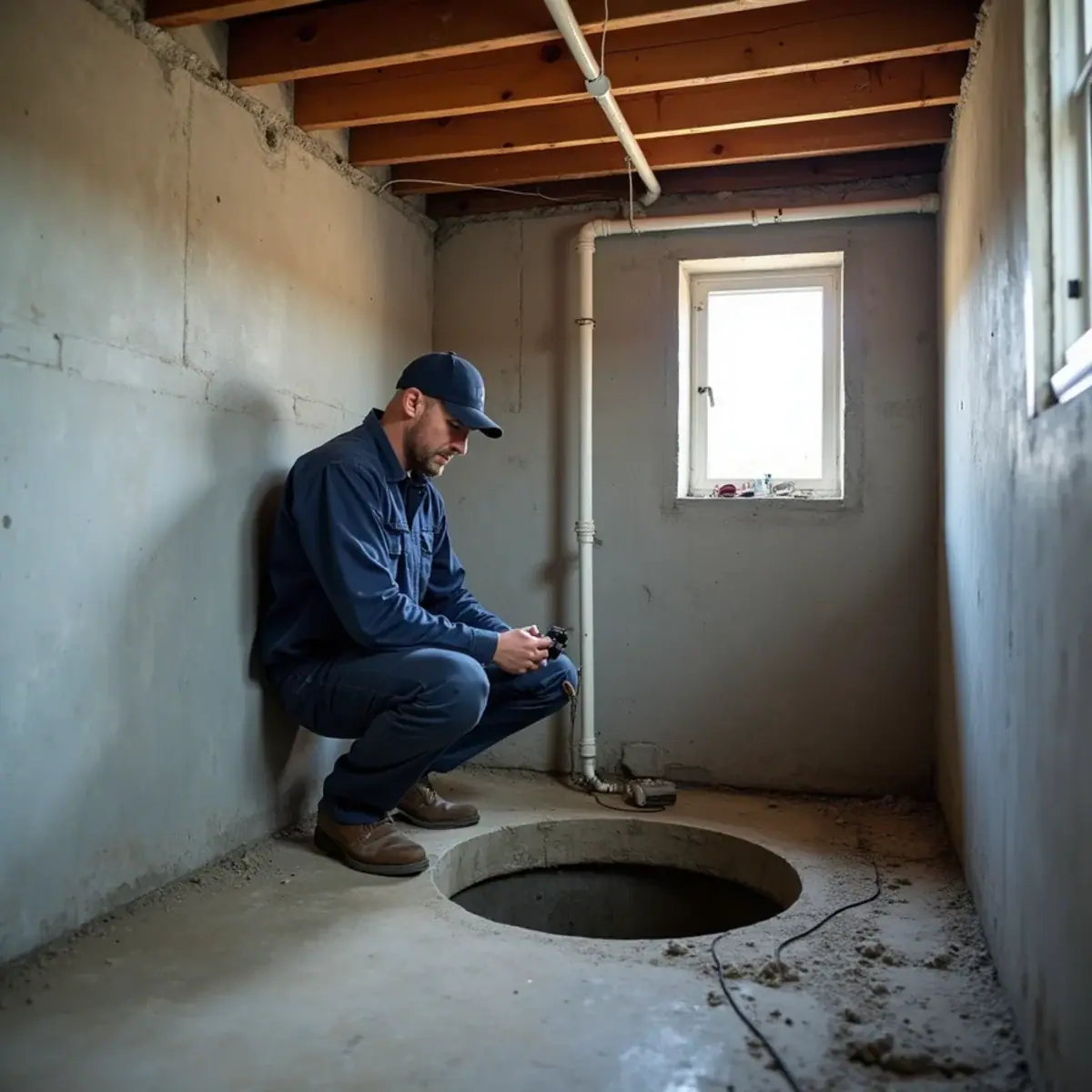
Flood control works best on a sound pipe, so the plumber usually cameras the building sewer and lateral from a cleanout before recommending a system. In most DuPage County towns the homeowner owns the lateral out to the village main; confirm Villa Park's policy for your address. What the camera finds shapes the fix:
- A clear, sound line: storm-only backups point to the main, and an overhead sewer or backwater valve fits.
- Roots, grease or offset joints: the line is cleared first, because debris can hold a backwater valve flap open.
- A sag, crack or collapse: the lateral is repaired first through sewer line repair. The village program's building sewer tier includes lateral replacement.
- Downspouts or footing tile entering the line: they get disconnected.
Ask for the findings in writing, or a copy of the recording, with the distance to any defect.
Overhead sewer conversion: how it works and what changes in your basement
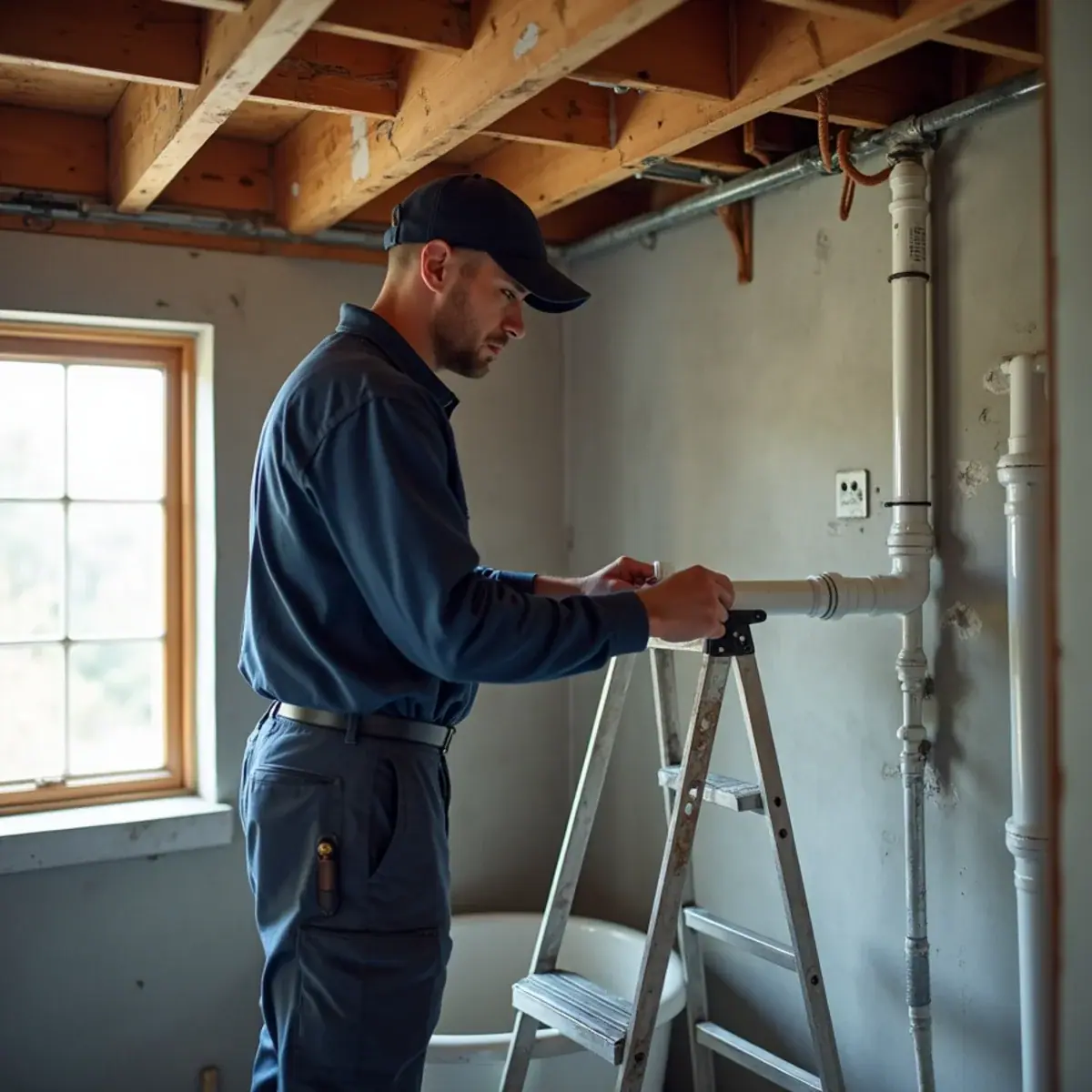
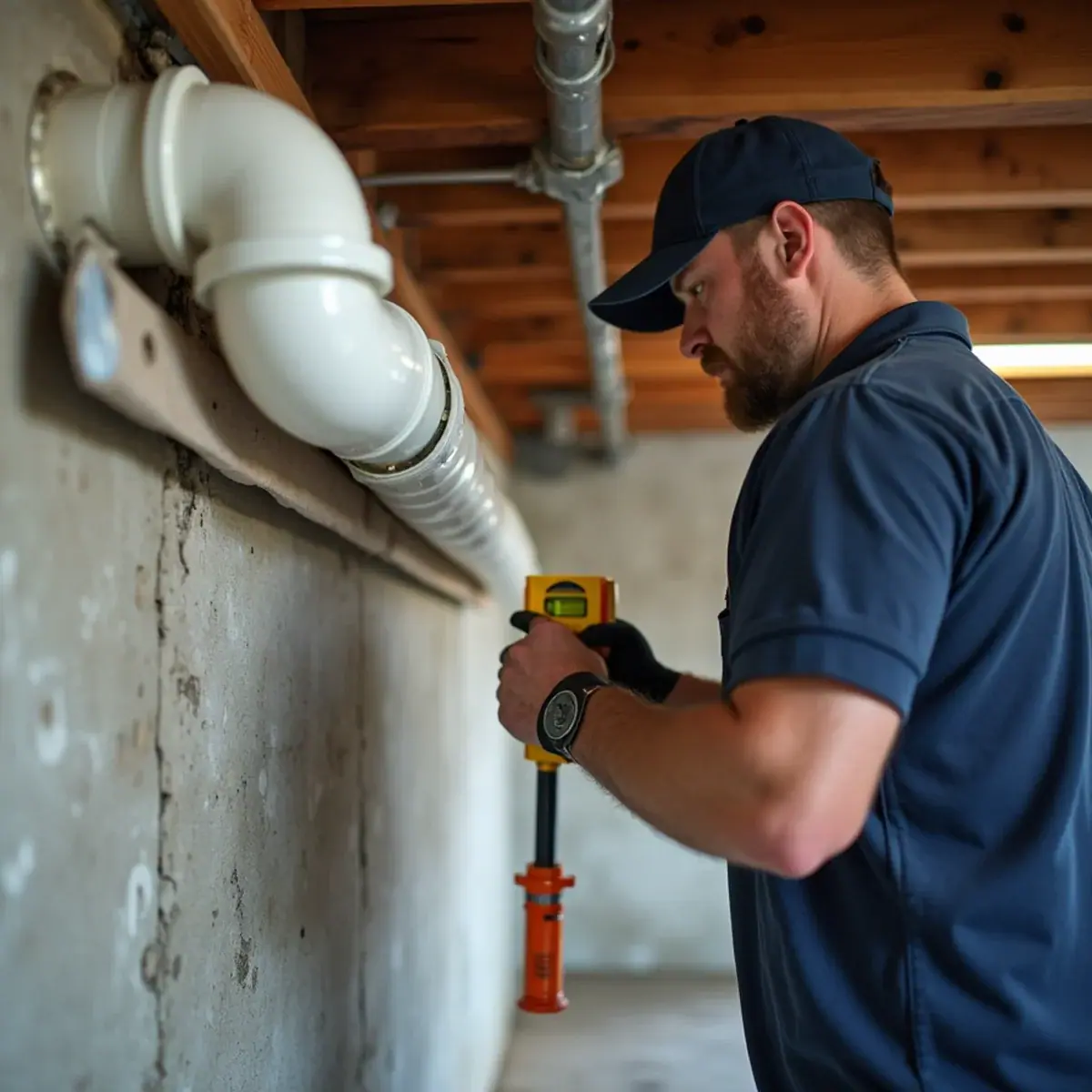
An overhead sewer takes the basement off the low connection. The plumber seals the old building sewer under the floor, so a surcharged main has no way into the house. Upstairs fixtures drain by gravity through a new line hung along the basement ceiling, which leaves through the foundation wall well above the old outlet and drops to the lateral outside.
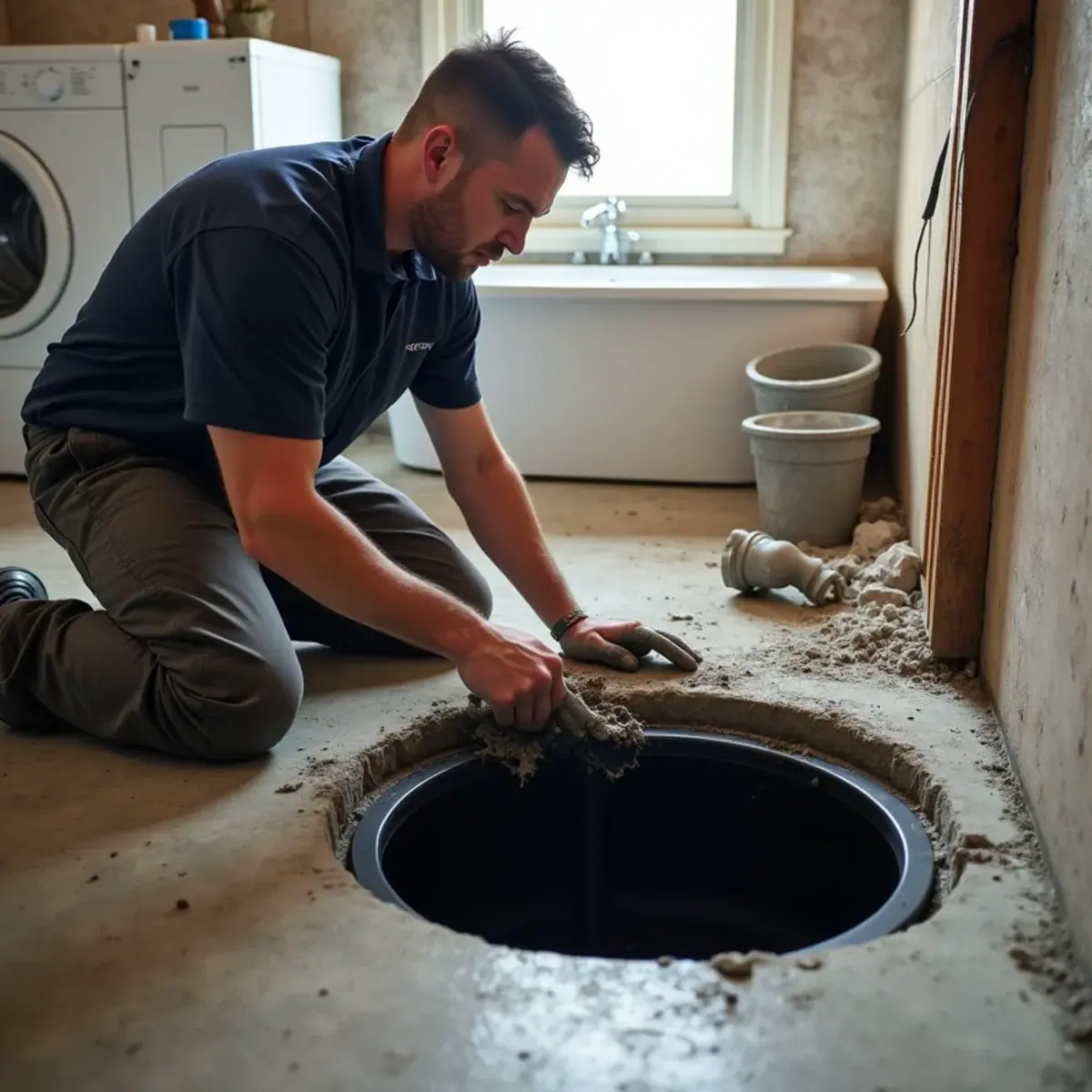
Anything below that line, such as the floor drain, a basement laundry, shower or toilet, drains into a sealed ejector pit. An ejector pump lifts that water up into the overhead line. The village calls the overhead sewer its most recommended option.
What you will notice afterward
- A 4-inch drain line along the ceiling or wall, which can be boxed in later
- A sealed ejector pit with a bolted lid near the laundry or old floor drain
- Basement fixtures that depend on the ejector pump, so they are off-limits in a long power outage
Backwater valves and flood control systems: where they fit
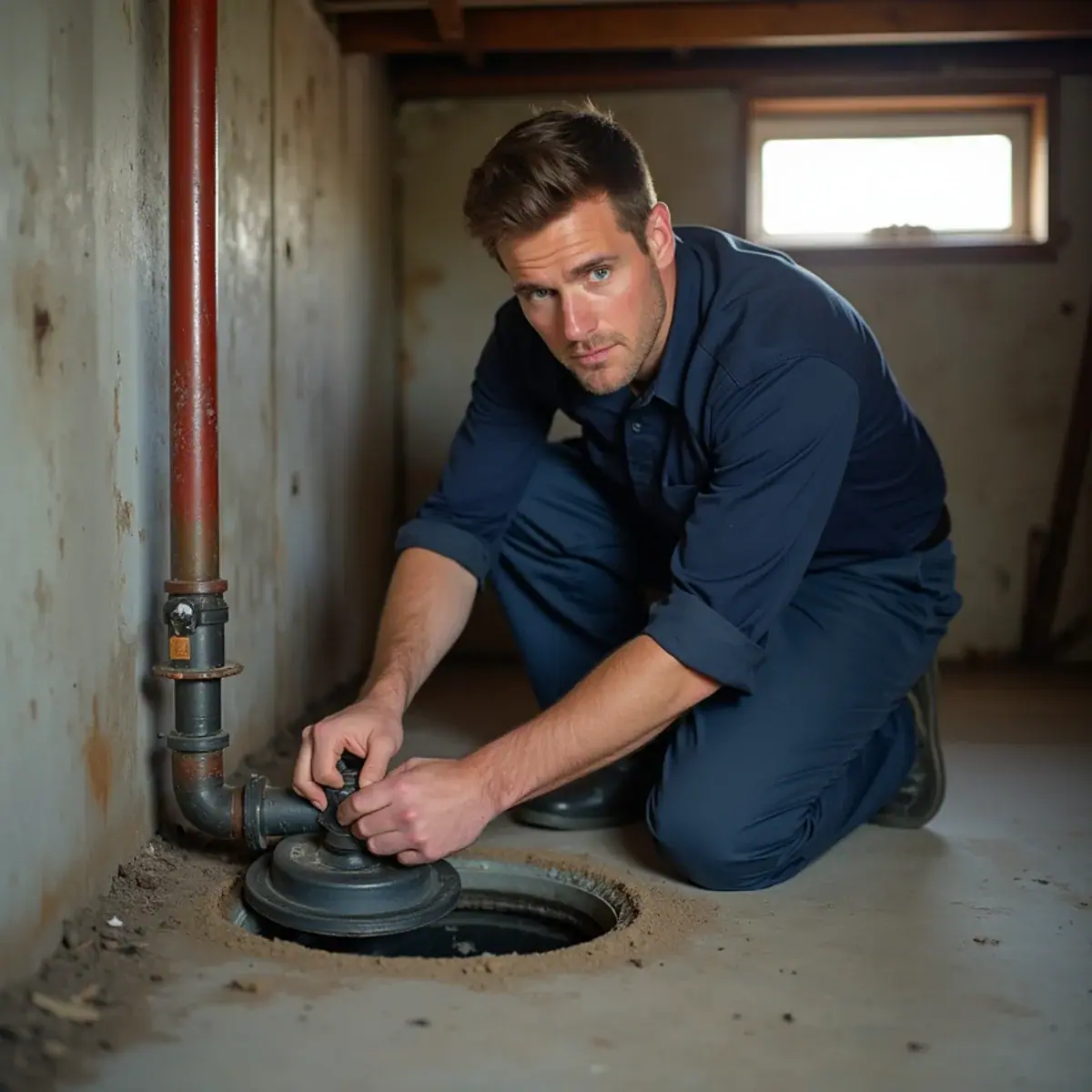
A backwater valve (the village calls it a backflow prevention valve) is a flap or gate set into the building sewer, usually in a pit cut into the basement floor. Wastewater flows out past it normally; when the main surcharges and flow reverses, the valve closes.
The catch is that a closed valve also traps the house. While it is shut, water you drain upstairs has nowhere to go. A flood control system pairs the valve with a pump that lifts house waste around it. Any valve needs its flap cleaned and checked, because grease holding it open means it fails the one night it matters.
| Overhead sewer | Backwater valve | Valve plus pump system | |
|---|---|---|---|
| How it works | Seals the low connection; the house drains high | Flap closes when flow reverses | Valve closes; pump sends house water around it |
| Plumbing use during a storm | Yes, with power to the ejector | Limited while closed | Yes, with power to the pump |
| Construction | Most work: pit, overhead line, floor sealing | Least work: one pit and valve | In between |
| Upkeep | Ejector pump service | Regular flap cleaning | Valve cleaning and pump service |
For the full comparison, read overhead sewer vs backwater valve.
Disconnecting downspouts, footing drains and sump pumps from the sanitary sewer
Older Villa Park houses often send clean water into the sanitary sewer: downspouts piped into the lateral, footing drain tile tied into the building sewer under the floor, an exterior stairwell drain, or a sump pump emptying into the laundry tub. Villa Park prohibits connecting stormwater to the sanitary or combined sewer, and each one adds to the surcharge.
The fix is to reroute them. Downspouts are cut and extended onto the lawn. Footing tile is redirected to a sump pit, which matters for an overhead conversion because sealing the old sewer would leave that tile with nowhere to drain. The sump discharges outside through a line pitched so it does not freeze solid in January. Our sump pump repair and installation page covers the pit and pump side.
Villa Park's Home Flood Prevention Reimbursement Program: what qualifies
The village's Home Flood Prevention Reimbursement Program has three tiers. Each reimburses 50% of the lowest qualified estimate plus the permit cost. Figures change, so check current terms.
- Overhead sewer: up to $5,000 (a $5,000 lifetime limit per owner)
- Building sewer upgrade or repair: a backflow prevention valve and/or sanitary sewer lateral replacement, up to $3,500 per application and $5,000 lifetime
- Inflow and infiltration removal: disconnecting downspouts, exterior stairwell drains, sump discharges and footing drains from the sanitary sewer, up to $1,500
Detailed eligibility criteria are not published, so confirm with Villa Park Public Works before you count on a tier. Approval is the village's decision, and no plumber can promise it. Neighboring towns run their own programs: Lombard has an overhead sewer grant and Elmhurst cost-shares overhead sewers and check valves.
The job step by step: estimates, permit, inspection, reimbursement paperwork
- Eligibility. Contact Villa Park Public Works before calling a contractor, and apply for eligibility through the village's online Request for Eligibility Determination. Public Works checks the village main and whether your home qualifies.
- Assessment. The plumber cameras the lateral, traces where the footing tile, downspouts and sump discharge go, and plans the overhead route.
- Written estimates. Get at least two itemized estimates, which the village policy requires; the program works from the lowest qualified one.
- Permit. The plumber pulls the village plumbing permit.
- The work. Break concrete for the pit, seal the old sewer, run the overhead line, reroute the footing tile and sump discharge, then patch the floor.
- Inspection. The village inspects before anything is closed up.
- Paperwork. Submit the paid invoice, permit and inspection sign-off with the reimbursement request within 90 days of completion, plus anything else Public Works asks for. Check current terms in the program policy.
What affects the cost of flood control
Two houses on the same block can need very different work, so the plumber prices your job on site and tells you the price before starting. What moves the number:
- The system: an overhead sewer is the largest job, a backwater valve the smallest
- How many basement fixtures must drain to the ejector: a floor drain alone, or a laundry, bathroom and bar sink
- Floor thickness and how much concrete is broken and patched
- Footing tile tied into the sewer that has to be rerouted to a sump pit
- Finished ceilings and walls that must be opened for the overhead line
- A root-filled or broken lateral that needs repair first
Ask for a written estimate that itemizes the system, ejector pump or valve, overhead line, concrete work, tile and downspout rerouting, permit and wall patching, so two quotes compare line by line.
Weigh that against one more sewage cleanup. We also send plumbers for flood control in Addison and across our service areas around Villa Park.
After a backup: cleanup, drying and insurance paperwork
After a backup, the plumber clears the drain, finds the cause and writes it down with the repair. Sewage extraction, removing wet carpet and drywall, disinfecting and drying is work for a water mitigation or restoration company.
The EPA advises drying wet materials within 24 to 48 hours to limit mold, and porous materials soaked with sewage, such as carpet pad and the bottom of drywall, usually come out rather than being dried.
What to keep for the insurance claim
- Photos and video before cleanup: the floor drain, the water line on the walls, standing water and damaged contents
- When the backup started, and whether it was raining
- Notes from an early call to your insurer about what it needs before damaged items go out
- Receipts for pumping, cleanup, drying and the plumbing work
- The plumber's written description of the cause and the repair
Your policy and the adjuster decide what is covered, and sewer backup coverage is typically a separate endorsement, so check yours before storm season. Our guide to the first hours of a basement sewer backup covers the immediate steps.
Flood Control near Villa Park
We send plumbers for flood control across Villa Park and the towns around it, including Oakbrook Terrace. See every town we cover on the service areas page, or pick yours:
- Plumber in Lombard, IL (5 to 10 minutes from Villa Park)
- Plumber in Westmont, IL (15 to 20 minutes from Villa Park)
- Plumber in Addison, IL (10 to 15 minutes from Villa Park)
- Plumber in Glen Ellyn, IL (12 to 18 minutes from Villa Park)
- Plumber in Elmhurst, IL (8 to 12 minutes from Villa Park)
Flood Control FAQ: Villa Park, IL
Does Villa Park reimburse homeowners for an overhead sewer?
Yes, the Home Flood Prevention Reimbursement Program covers overhead sewers at 50% of the lowest qualified estimate plus the permit cost, up to $5,000. Check current terms, apply for eligibility before starting work, and confirm the criteria with Villa Park Public Works. The reimbursement is the village's decision, and nobody can promise it will be approved.
Overhead sewer or backwater valve: which is better?
An overhead sewer gives the most complete protection and lets you keep using your plumbing during a storm, as long as the ejector pump has power. A backwater valve is less work to install but blocks your own drains while it is closed and needs regular cleaning. On blocks that back up often, the overhead sewer is the stronger choice.
Will a sump pump stop sewer backups?
No. A sump pump handles groundwater from the footing drain tile, a separate system from the sanitary sewer. Sewage coming up the floor drain needs an overhead sewer or backwater valve. A sump pump helps indirectly when footing drains are disconnected from the sewer and routed to the pit, because that groundwater stops adding to the overloaded main.
How long does an overhead sewer conversion take?
The on-site work commonly takes a few days, depending on the house: breaking concrete, setting the ejector pit, running the overhead line and rerouting drains. The whole project runs longer because of estimates, the eligibility application, the permit and the inspection. Plan on limited basement plumbing while the work is underway.
Who cleans up after a sewer backup, the plumber or a restoration company?
Usually both. The plumber stops the backup, clears the line, finds the cause and documents the repair. A water mitigation or restoration company handles extraction, removing soaked materials, disinfecting and drying, which the EPA advises finishing within 24 to 48 hours to limit mold. Photograph everything first and keep every receipt.
Does flood control still work if the power goes out?
It depends on the system. With an overhead sewer, upstairs fixtures still drain by gravity, but anything feeding the ejector pit, including the floor drain, stops until power returns. A standard backwater valve closes without power but blocks your drains while shut. A valve-and-pump system needs power or a battery backup to move house water around the valve.