Last updated by Ardmore Plumbers
A clogged drain is the most common plumbing call in Villa Park, and in a village full of clay tile sewer laterals under tree-lined parkways, it is often the same line clogging again. Call (858) 363-8298 at any hour and we send the nearest available licensed plumber to clear it.
The plumber finds where the blockage is, clears it with the right tool for that pipe and tells you what caused it. Every plumber we send is licensed and insured in Illinois, and you get the price before work starts.
Signs a drain needs professional cleaning
A plunger or a hardware-store snake will clear a hair clog in a bathroom sink. These signs point to something deeper:
- More than one fixture drains slowly, or the clog returns within days.
- A toilet or tub gurgles when the washing machine drains.
- Water appears at the basement floor drain when upstairs fixtures run.
- A sewer smell in the basement, near the floor drain or laundry tub.
- Chemical drain opener did nothing, leaving caustic water sitting in the pipe.
Tell the plumber about chemicals
If you poured in a chemical drain cleaner, say so before any work starts. The plumber needs to protect eyes and skin from what is still in the line, and some products attack old metal drain pipe and rubber couplings.
Kitchen, bathroom, laundry and basement floor drain clogs
Kitchen sink clog
Kitchen lines clog with grease, soap and food scraps that coat the pipe wall and harden. In older Villa Park houses the kitchen drain often runs through galvanized or cast iron pipe that is already rough inside and catches grease sooner. The plumber rods the line from the trap or a cleanout with a cutting head, scraping the buildup instead of just punching a hole through it.
Bathroom and laundry drains
Tubs and showers clog with hair and soap; toilets with wipes and too much paper. Basement laundry tubs catch lint, and a washing machine dumps water more quickly than a partly clogged line can carry it, so the tub overflows before the clog shows anywhere else.
Basement floor drains
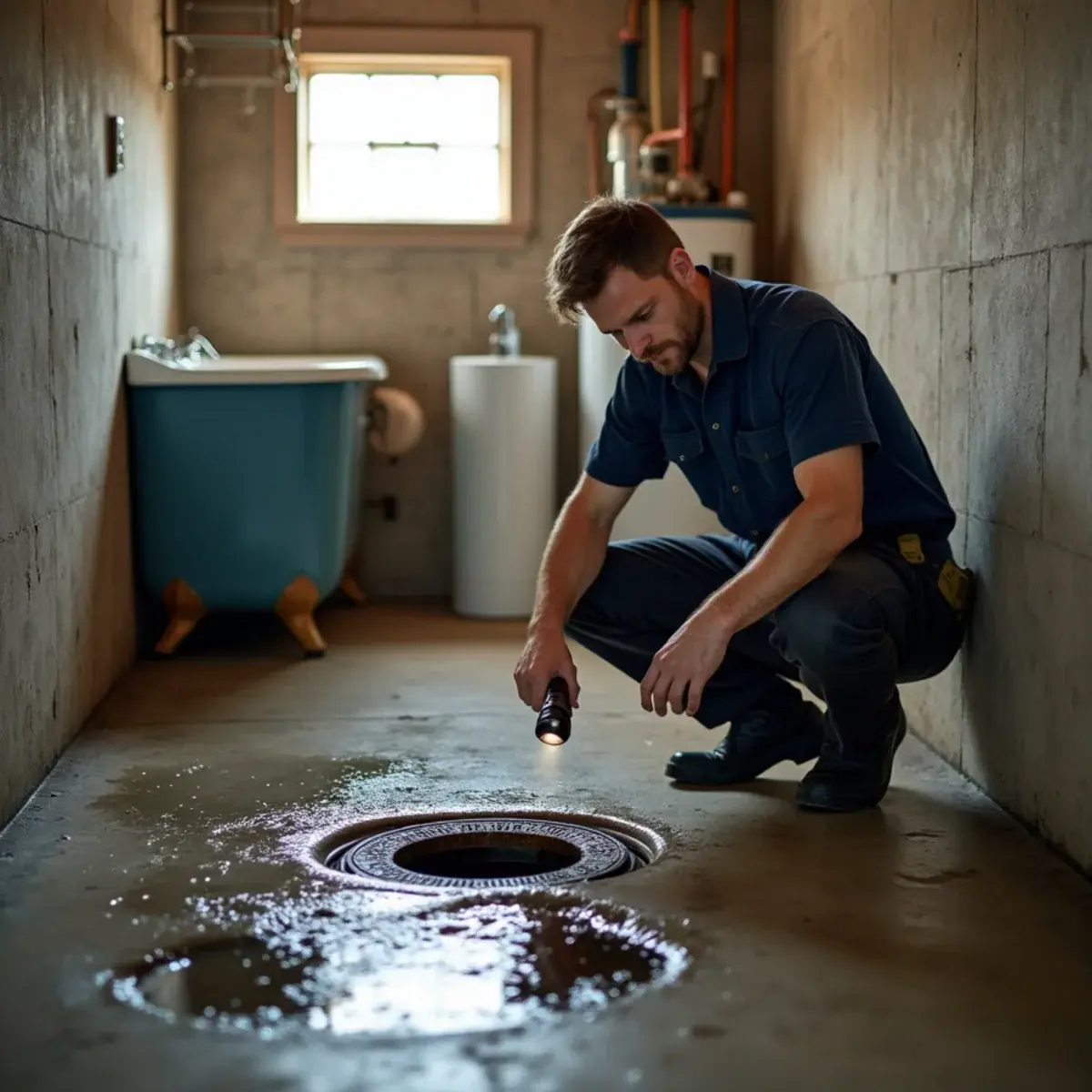
A basement floor drain backup can mean the floor drain trap is packed with sediment, or that the main line is blocked downstream. The floor drain is usually the lowest opening in the house, so it is where a main line clog shows up first.
Main line clogs: when every drain in the house is slow
When toilets, tubs and the floor drain are all slow, or the washer pushes water up through the floor drain, the problem is in the main building sewer rather than a branch line. In Villa Park that is usually a 4-inch or 6-inch clay tile lateral running under the front yard and parkway to the village main. A quick check: a slow kitchen sink alone is the kitchen branch, but a toilet that bubbles when the tub drains, or a floor drain that rises when the washer pumps out, points to the main.
Main line clogs are cleared from a cleanout. Many older homes have no outside cleanout, so the plumber works from the basement, often through a cast iron plug on the main stack or at the floor drain. A plug that has not been opened in decades may be rusted in place and need replacing once it comes out. If the pipe turns out to be broken rather than blocked, that becomes sewer line repair.
A drain backing up right now: what to do and what to leave alone
Stop sending water down any drain, and switch off a washer or dishwasher mid-cycle; its pump-out goes straight to the lowest opening. Keep children and pets away from floor drain water. Then leave these alone:
- Plunging a toilet against a main line clog. The water has nowhere to go but out the floor drain.
- The basement cleanout plug. On a full line, the sewage behind it pours out the moment it loosens.
- A rental drum machine on an old clay lateral. The cable can snag on an offset joint and stay stuck in the pipe.
Note which fixtures backed up and whether it started in heavy rain or after laundry, and clear a path to the floor drain and the main stack cleanout. That tells the plumber which machine to carry in. Night and weekend backups go through our 24/7 emergency plumbing service.
How we clear drains: power rodding, hydro jetting, camera inspection
Rooter service is a catch-all term. The plumber picks the method based on the clog, where it sits and what the pipe is made of.
| Method | What it does | Best for | Limits |
|---|---|---|---|
| Hand cable or small drum machine | Spins a light cable through fixture drains | Sink, tub and toilet clogs | Too light for roots or main lines |
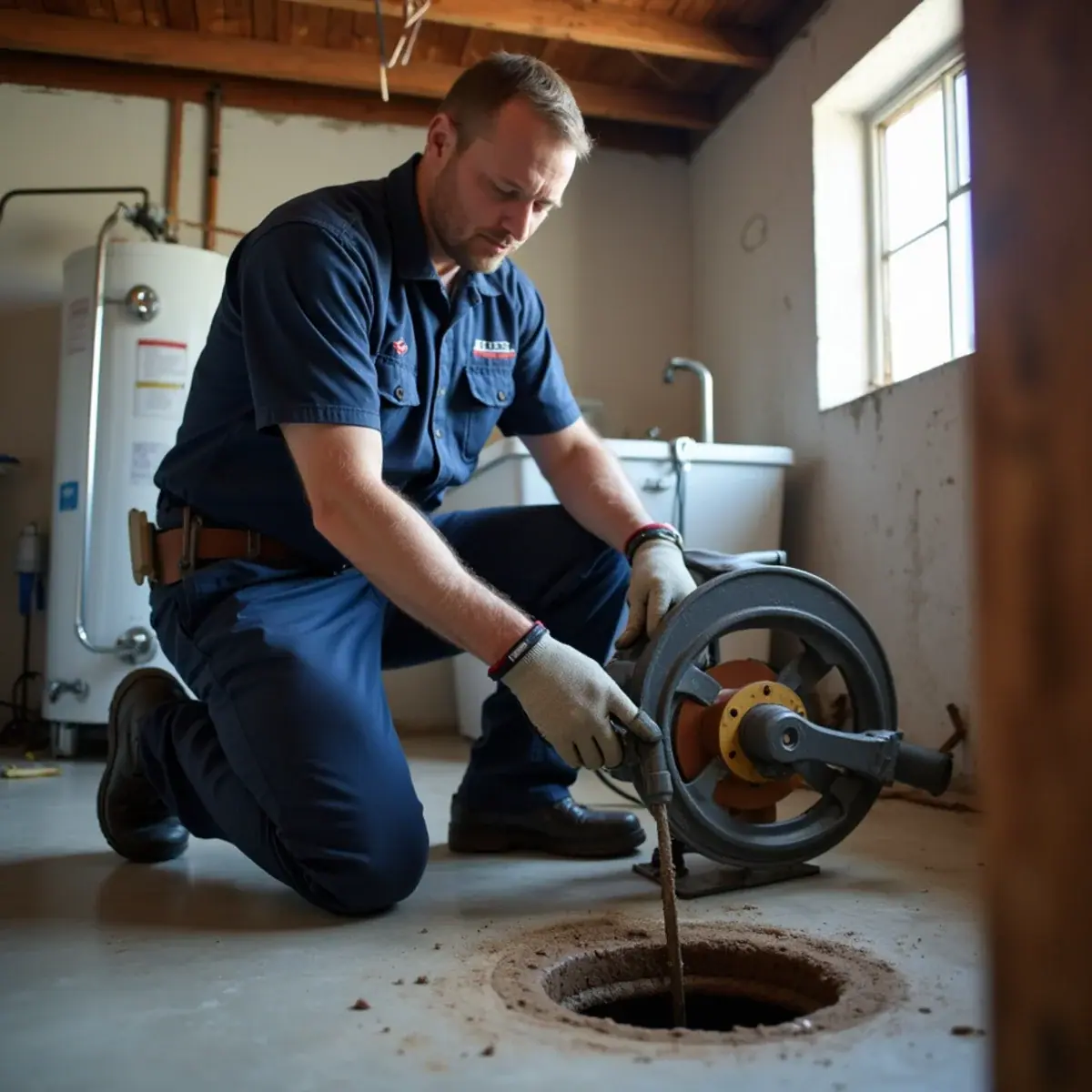
| Power rodding (sewer rodding) | Motor-driven steel cable with a cutting head bores through the clog and cuts roots | Main line clogs, roots in clay tile laterals | Opens a path; roots grow back |
| Hydro jetting | High-pressure water scours the pipe wall and flushes debris downstream | Grease, sludge and fine roots after rodding | Not for cracked or badly offset pipe |
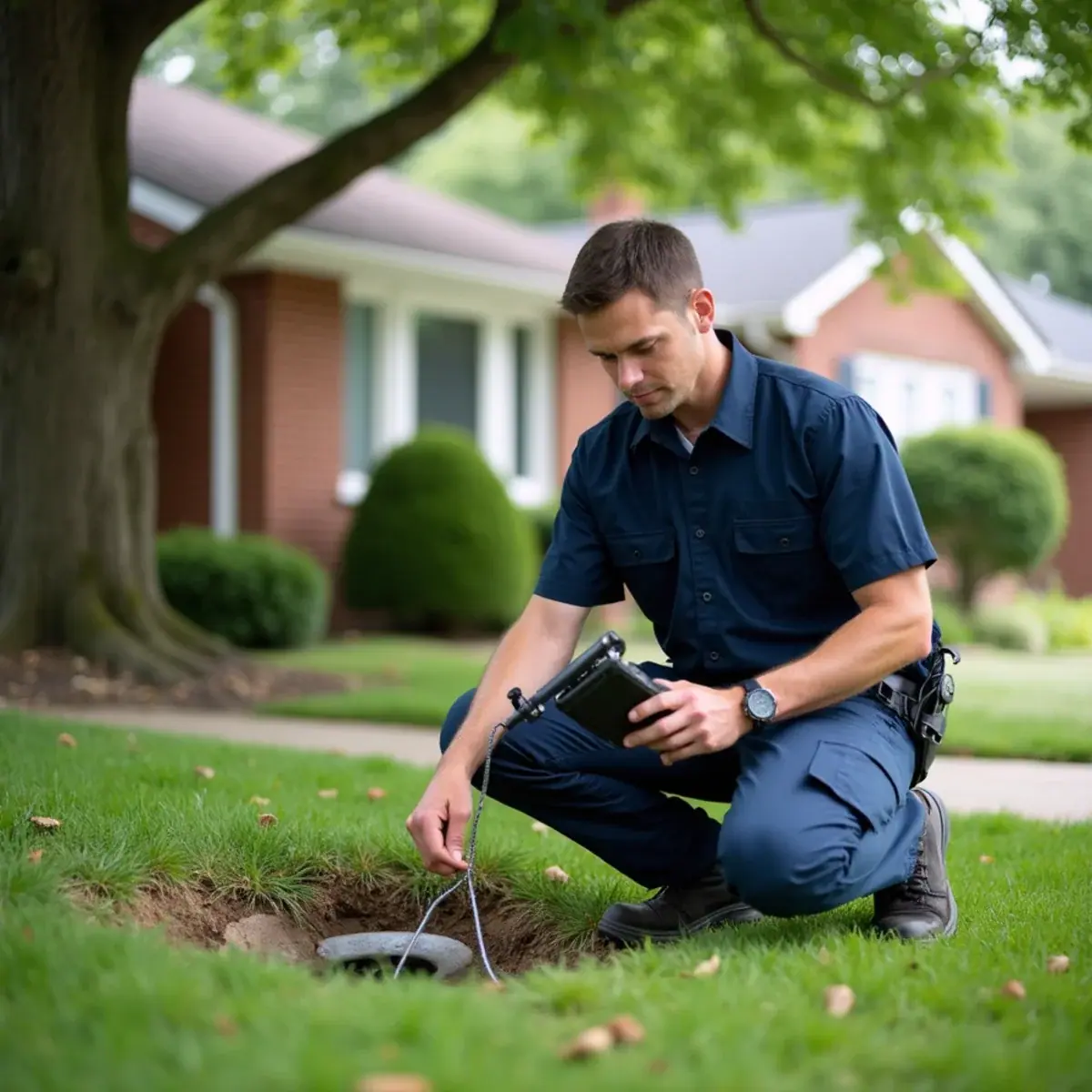
| Camera inspection | Waterproof camera on a push cable records the inside of the line | Finding roots, breaks, sags and offset joints | Diagnoses; does not clear anything |
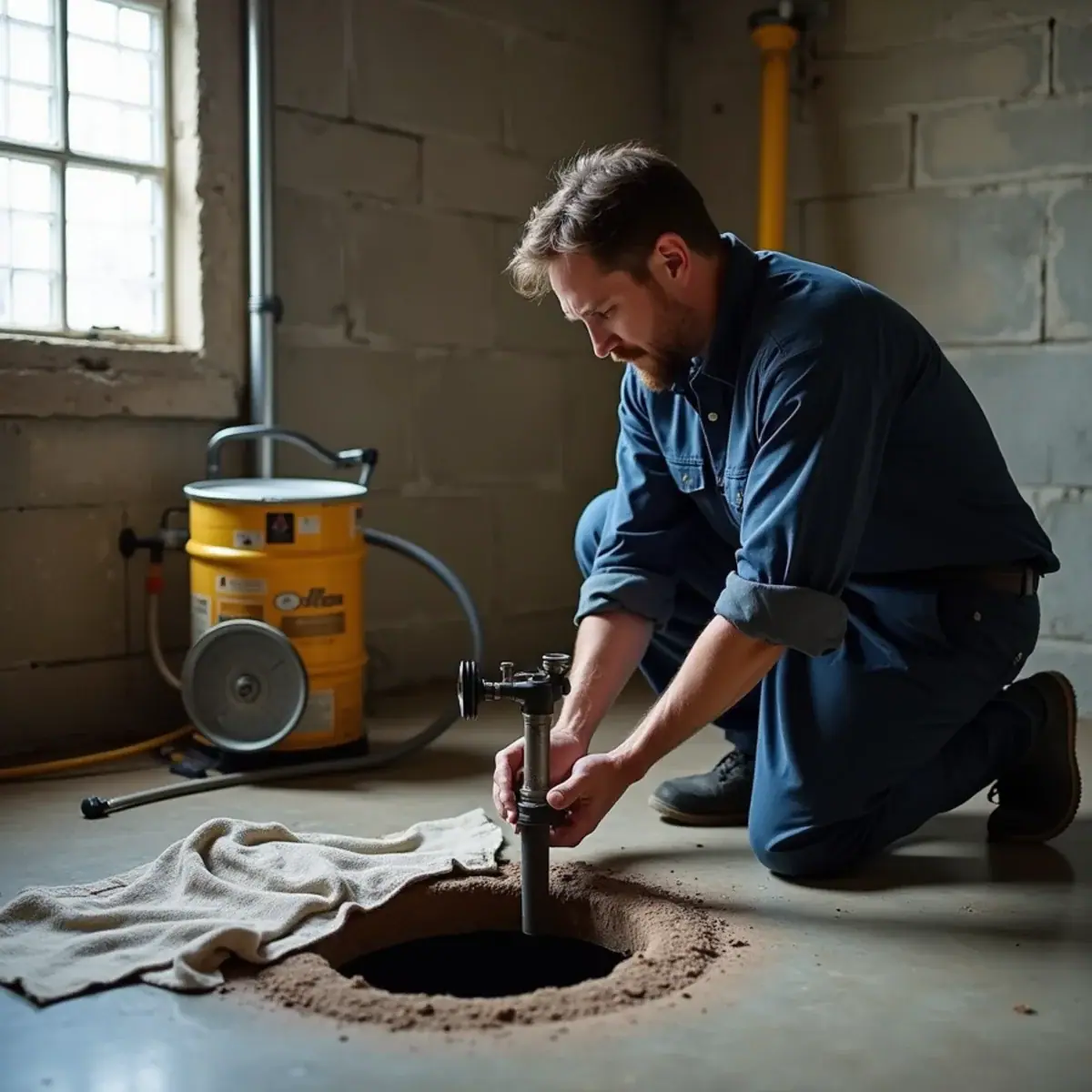
On a root-filled clay line the plumber usually rods first to open it, then recommends a camera inspection to see the condition of the joints. Heavy jetting on a lateral that turns out to be cracked can make things worse, which is why the camera comes first on old pipe. Jetting suits a grease-packed kitchen line, or sludge and fine roots once the camera shows sound pipe. A cable that comes back with dirt or clay chips instead of roots calls for the camera before anything else.
Why drains clog in Villa Park: clay tile laterals, parkway tree roots, grease
Most Villa Park homes built before about 1960 have clay tile sewer laterals: short sections of vitrified clay pipe joined with mortar or early gaskets. After 60 to 100 years the joints loosen and settle. Mature parkway trees send fine roots into those joints, and the roots thicken into a mat that catches paper and grease.
That is why sewer rodding here is a recurring job: rodding cuts the roots out, but the joint stays open and the roots return. When a line needs rodding more than once a year, or the camera shows broken or offset sections, fixing the pipe usually costs less over time than rodding it forever. Foaming root treatments after rodding can slow regrowth, but they do not close an open joint; treating roots in a line nobody has camera inspected can leave a cracked or sagging section in place until it fails.
A recurring clog is a pattern, not a diagnosis
A drain that clogs every few months has something catching waste at one spot: roots, a belly where sludge settles, an offset joint that snags wipes, grease where the kitchen branch meets the stack, or a floor drain trap packed with lint and grit.
After each clearing, ask what came back on the cutter and how far out the clog was, and note the date. Repeat clogs at the same distance make the case for a camera, and broken pipe on the video means repairing that section of the lateral, not another rodding.
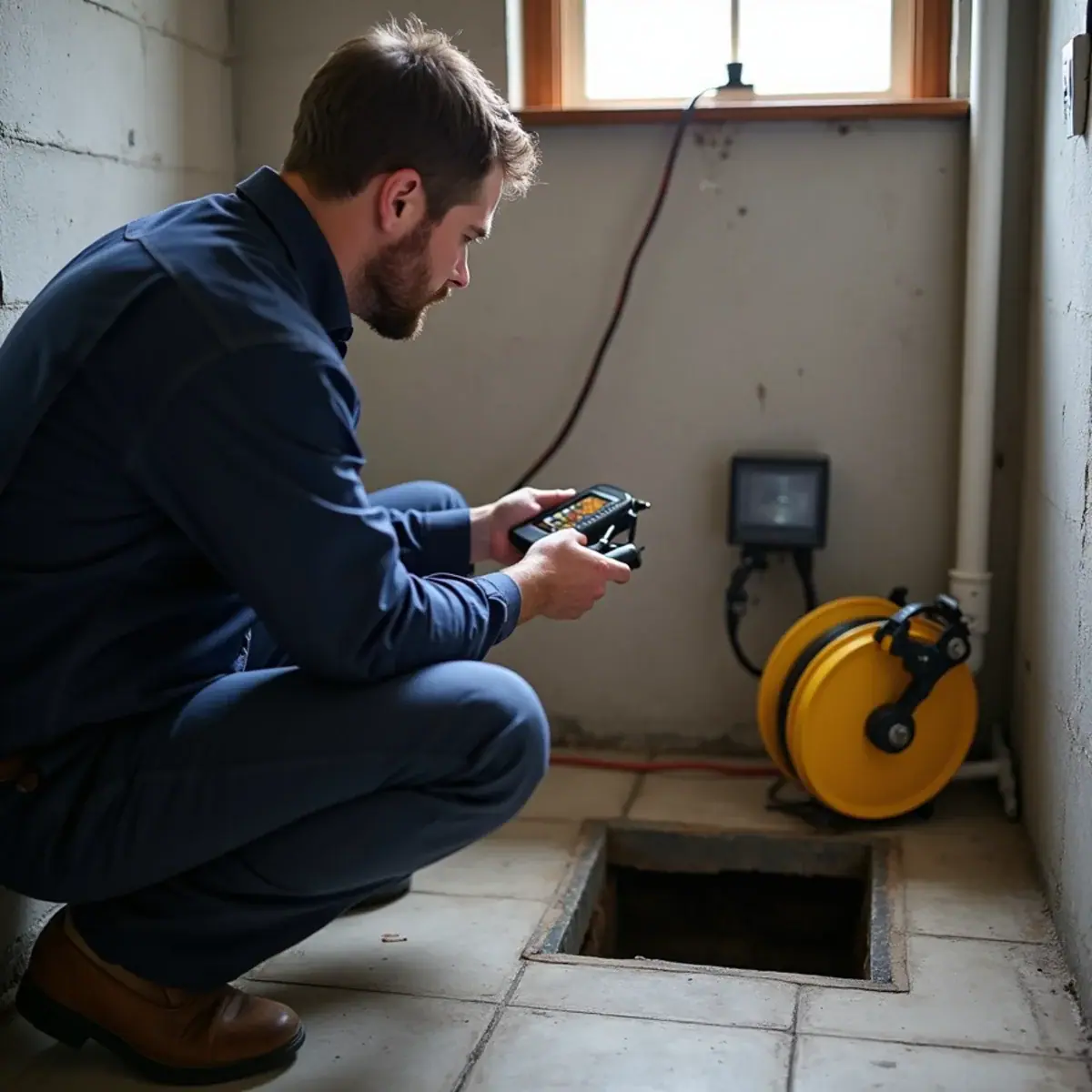
The same clay laterals and old parkway trees run through older blocks of Lombard, while Addison ranches and Westmont townhomes see more grease and wipes clogs. We clear drains in all of them; see every service area around Villa Park.
Water at the floor drain when it rains: a clog or a surcharged village sewer?
If the floor drain backs up only during heavy rain, the cause may not be a clog. Parts of Villa Park are still on combined sewers, where storm water and sewage share the same village main. In a big storm the main fills (surcharges) and water pushes back up your lateral to the lowest opening in the house.
- Likely a clog: backups in dry weather, when you run the washer or several fixtures, and the water drains away slowly.
- Likely a surcharged sewer: backups only in heavy rain, often when neighbors flood too, stopping once the storm passes.
Rodding cannot fix a surcharged sewer. The plumber can rod and camera the line to rule out a clog, and if the line is clear, the lasting answer is basement flood control such as a backwater valve or an overhead sewer. If it is happening now, follow our steps for a sewer backup in the basement.
What affects drain cleaning cost
The plumber gives you a price on site before work starts. What moves it:
- Where the clog is: a fixture drain is simpler than a main line.
- Access: a working outside cleanout is easier than pulling a toilet or a rusted basement plug.
- What is in the line: roots and hardened grease take heavier equipment and more time than a soft clog.
- Distance to the clog: a blockage out under the parkway takes more cable and time than one under the basement floor.
- Extra steps: a camera inspection or hydro jetting after rodding.
- Timing: night, weekend and holiday calls can cost more.
Drain Cleaning near Villa Park
We send plumbers for drain cleaning across Villa Park and the towns around it, including Oakbrook Terrace. See every town we cover on the service areas page, or pick yours:
- Plumber in Lombard, IL (5 to 10 minutes from Villa Park)
- Plumber in Westmont, IL (15 to 20 minutes from Villa Park)
- Plumber in Addison, IL (10 to 15 minutes from Villa Park)
- Plumber in Glen Ellyn, IL (12 to 18 minutes from Villa Park)
- Plumber in Elmhurst, IL (8 to 12 minutes from Villa Park)
Drain Cleaning FAQ: Villa Park, IL
How much does sewer rodding cost in Villa Park?
It depends on the line, so we do not quote a number online. The plumber prices the job on site before starting, based on where the clog is, whether there is a usable cleanout, how much root growth is in the clay lateral and whether you want a camera inspection. Night and weekend calls can cost more. Our guide to plumber costs in Villa Park explains the factors.
How often should a sewer line with tree roots be rodded?
Many root-prone clay lines in Villa Park need rodding about once a year, often before the spring storm season, though it varies with the tree and the joints. If the line clogs more often than that, have it camera inspected. Frequent root clogs usually mean open or offset joints, and a spot repair or lining may cost less over time than repeated rodding.
Why does my basement floor drain back up when it rains?
Usually because the village sewer is surcharging, not because your line is clogged. On combined-sewer blocks, storm water and sewage share one main; heavy rain fills it and pushes water back up your lateral to the lowest drain. A partial clog makes it worse. The plumber can rod and camera the line to check, and a backwater valve or overhead sewer is the long-term fix.
Can you clear a drain at night or on a weekend?
Yes. We answer 24 hours a day, 7 days a week, including holidays, and send the nearest available licensed plumber. Sewage coming up the floor drain is worth a night call; a single slow bathroom sink can usually wait until morning. After-hours work can cost more, and the plumber gives you the price before starting.
When should I call a plumber for a slow drain or a clog that keeps coming back?
Call when a plunger or hand snake has not cleared it, when more than one fixture is slow, or when the same drain clogs again within a few weeks. Those point past the trap, often to the main line. A clog that keeps returning is worth a camera inspection after clearing, so you learn whether it is roots, grease or broken pipe.
Can the plumber run a camera inspection on the same visit as the drain cleaning?
Often, yes; mention it when you call so the plumber brings one. A video sewer inspection works best right after the line is cleared, because the camera cannot see through standing water. It goes in through the same cleanout and shows the distance to each root mass, crack or sag. A sound line may only need a rodding schedule; broken pipe moves the job to sewer line repair.